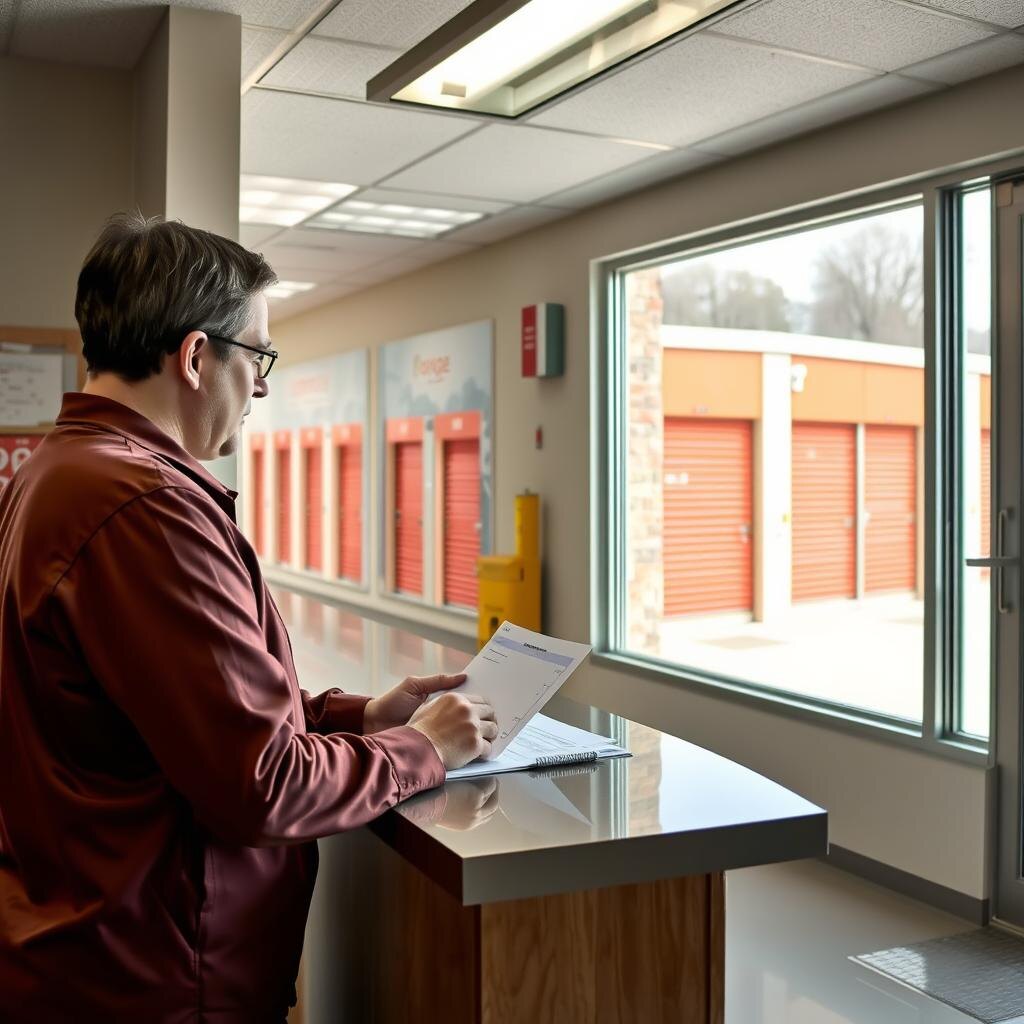
Self-storage looks like a simple business — buildings, units, and rent checks — but the insurance behind it is anything but generic. A storage facility carries a blend of habitational premises risk, commercial property exposure, and a set of specialty liabilities that most off-the-shelf business policies don't even mention. This guide walks through every coverage a storage operator should understand and how carriers actually price the risk.
Why Generic Business Insurance Falls Short
A standard business owner's policy is built for a shop or office, not a facility where strangers store their belongings around the clock and where you may one day auction off a delinquent tenant's property to recover unpaid rent. The two exposures that most often blindside operators — damage to customers' stored goods and wrongful lien-sale claims — are frequently excluded or simply absent from a generic policy. Buying coverage written for self-storage is the difference between a paid claim and a denied one.
The Core Coverages
A complete self-storage program is usually built from these pieces:
- General & premises liability — third-party bodily injury and property damage on your site: a customer slips in a hallway, trips in a dim unit row, or is struck by a gate arm.
- Commercial property — your buildings, roll-up doors, gates, fencing, signage, climate and security systems, and office contents, ideally on a replacement-cost, special-form basis.
- Customer goods legal liability (SSLL) — your legal liability when a tenant's stored property is damaged by a covered cause you're responsible for, such as a roof leak, fire spread, pest, or mold.
- Sale & disposal liability — protection against wrongful lien-sale and negligent-disposal claims arising from the storage lien process.
- Business income / loss of rents — replaces rental revenue lost while damaged units are repaired after a covered loss.
- Workers compensation — required once you have on-site managers or maintenance staff.
- Commercial umbrella — excess liability over your primary policies, often required by lenders.
What Drives Your Premium
Two facilities down the same road can pay very different premiums. Underwriters weigh:
- Number of units and total square footage — the size of the exposure
- Construction type — masonry and steel rate better than older wood-built structures
- Climate-controlled vs. drive-up — climate-controlled units carry higher contents and water-damage exposure
- Location and catastrophe exposure — wind, hail, wildfire, and flood zones drive property rates and deductibles
- Security and lighting — cameras, gated access, and good lighting reduce both liability and theft claims
- Claims history — prior tenant-goods, slip-and-fall, or lien-sale claims raise rates
Typical Cost Ranges
For a single-site facility, a combined property-plus-liability program commonly runs $3,000 to $12,000 per year, depending heavily on building values, unit count, construction, and CAT exposure. Larger climate-controlled facilities and multi-location portfolios are quoted as a program and priced on total insured values and rent roll. The right answer isn't the cheapest premium — it's a program that actually includes the storage-specific liabilities, because a single uncovered tenant-goods or lien-sale suit can dwarf years of premium savings.
Don't Forget Tenant Protection Programs
Many operators also offer a tenant insurance or protection program at the counter. This covers the customer's own goods regardless of fault, reduces the claims that ever reach you, and can add a modest revenue stream. It complements — but does not replace — your own customer goods legal liability coverage.
Build the Program Around the Risk
The smartest way to insure a storage facility is to start from its real exposures: people on the premises, property you own, goods you're entrusted with, and a lien process that can create liability if mishandled. Match a coverage to each, size the limits to your values and rent roll, and back it with an umbrella where your lender requires it. That's a program that holds up when a claim actually arrives.