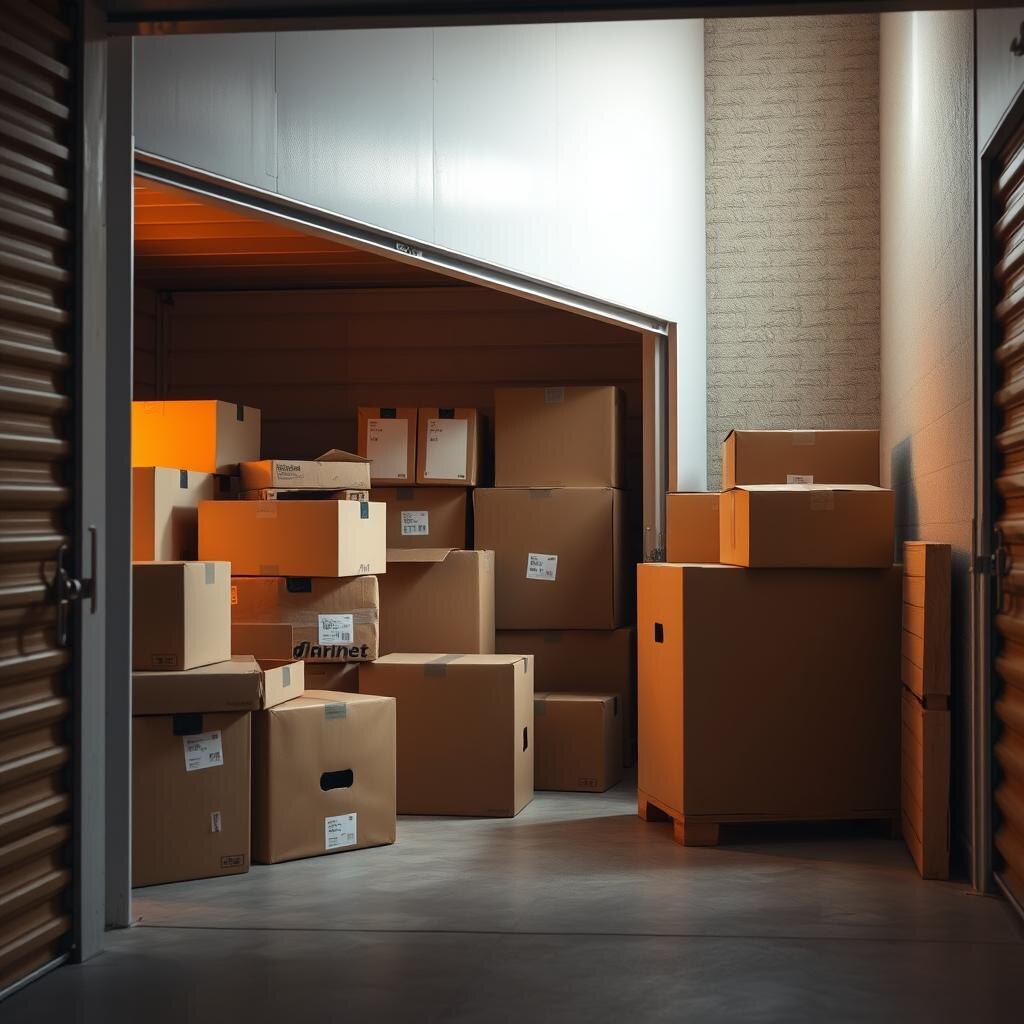
Ask a self-storage owner who's responsible for damaged tenant belongings and most will point to a line in the rental agreement: *"All property is stored at the tenant's own risk."* It's a reasonable clause — and it is not the airtight shield many operators assume it is. When a roof leak soaks a row of units or a fire spreads across a building, a sympathetic claimant and a determined attorney can still pursue the facility. Customer Goods Legal Liability is the coverage built for exactly that moment.
What Customer Goods Legal Liability Is
Customer Goods Legal Liability — often called Self-Storage Legal Liability, or SSLL — covers the operator's *legal liability* when a tenant's stored property is damaged by a covered cause of loss for which the facility is responsible. It pays covered claims and, just as importantly, funds your legal defense when a tenant alleges your negligence caused their loss.
The classic claims SSLL responds to include:
- Roof leaks and water intrusion ruining stored boxes, furniture, and documents
- Fire spreading from one unit across others
- Pest, rodent, and vermin damage to stored goods
- Mold following a moisture event the facility failed to address
- Sewer or plumbing backups affecting ground-floor units
Why the Lease Clause Isn't Enough
A "store at your own risk" provision helps set expectations and can limit some claims, but courts don't treat it as absolute. If a tenant can argue the facility failed to maintain the property — an ignored roof leak, a known pest problem, a broken gutter — the clause may not hold, and the operator can be found liable. The lease shifts ordinary risk to the tenant; it does not erase the operator's duty to maintain the premises. SSLL is what backstops that duty.
SSLL vs. Tenant Insurance / Protection Programs
This is the distinction that trips up the most operators:
- Customer Goods Legal Liability (SSLL) protects you, the operator, for goods damaged by something you're responsible for. The trigger is your legal liability.
- Tenant insurance / a tenant protection program protects the customer, covering their own goods regardless of fault — even when the facility did nothing wrong.
The two work together. A tenant program reduces the number of claims that ever reach you, while SSLL covers the claims where your liability is genuinely in play. Many successful facilities run both: they require or offer tenant coverage at move-in and carry their own SSLL limit.
Choosing Your Limits
SSLL is typically written with a per-occurrence limit and sometimes a per-unit sublimit capping the amount payable for any single tenant's goods. When setting limits, consider your worst realistic event — a fire or roof failure affecting many units at once — not just a single damaged unit. An operator with hundreds of units and a low aggregate limit can be badly underinsured after a multi-unit loss.
Document Maintenance to Protect Yourself
Insurance pays the claim, but good operations prevent it. Keep records of roof inspections, pest control, gutter cleaning, and repair response times. Strong maintenance documentation both reduces the frequency of tenant-goods claims and strengthens your defense when one is filed — showing you met your duty of care rather than ignored it.
The Bottom Line
"Stored at your own risk" is a useful sentence, but it is not a coverage. The operators who sleep well are the ones who pair a solid lease with Customer Goods Legal Liability and a tenant protection program — so that whether the fault lands on the facility or nowhere at all, someone other than the owner is paying for the damaged goods.