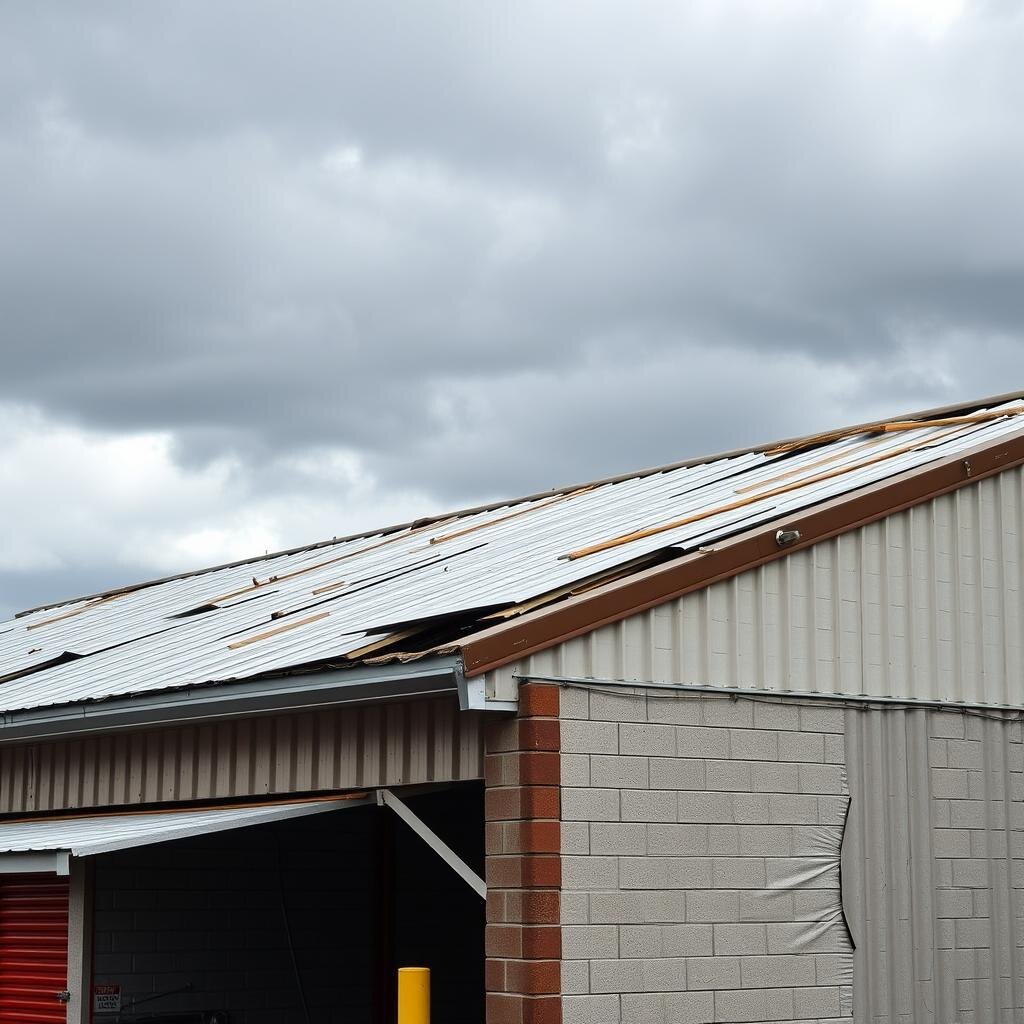
When a fire or windstorm tears into a self-storage building, most operators think first about the repair bill. But the rebuild is only half the loss. The other half is quieter and just as dangerous: the rental income you can't collect while those units sit empty and under construction — income your mortgage, taxes, payroll, and operating costs still demand every month. Business income and loss of rents coverage is what keeps a covered property loss from becoming a cash-flow crisis.
Property Coverage Alone Isn't Enough
Commercial property insurance pays to repair or rebuild the physical facility. What it does not do is replace the rent you lose during the months it takes to put units back in service. A facility that's 60% offline after a storm can lose tens of thousands of dollars in monthly revenue while still owing its full debt service. Property coverage rebuilds the building; business income coverage keeps the business solvent while you do.
What Business Income Covers
Business income (often shown as business income with extra expense, and for storage specifically as loss of rents) replaces the net income and continuing expenses you would have earned had no loss occurred. It responds to:
- Lost rental income from units made unrentable by a covered loss
- Continuing expenses that don't stop during repairs — mortgage, property taxes, insurance, key payroll
- Extra expense to speed your return to operation
- Civil authority loss when authorities block access to your facility after a nearby covered event
A critical point: business income only responds to income lost because of a covered physical loss — a fire, storm, or similar peril that makes units unusable. It does not cover ordinary vacancy, a slow rental month, or a market downturn.
The Restoration Period
Coverage runs for the restoration period — the time it reasonably takes to repair or rebuild and return units to service. Many policies also have a short waiting period (a deductible measured in time, often 24–72 hours) before benefits begin. For a large facility, a realistic restoration period after a serious loss can run 12 months or more once you account for permitting, demolition, rebuilding, and re-renting. Buying a limit that only contemplates a few months is a common and costly mistake.
How to Size Your Limit
Set your business income limit against your actual rent roll and a realistic rebuild timeline, not a guess. A simple approach:
- Start with your gross monthly rental income
- Multiply by the number of months a worst-case rebuild would take
- Add continuing fixed expenses that won't pause during repairs
- Factor in the time to re-rent units back to pre-loss occupancy after construction finishes
The re-rent ramp matters: even after repairs are done, units don't refill overnight. An extended period of indemnity endorsement covers that recovery window after the building is physically restored.
Extra Expense — Getting Back Online Faster
Paired with business income, extra expense coverage pays the added costs of minimizing downtime: temporary fencing and security to keep the site safe and rentable, expedited repairs, a temporary leasing office, or relocating tenants within the facility. Spending on extra expense often *reduces* the total income loss — which is exactly why the coverage exists.
A Word on Co-Insurance and Replacement Cost
Business income policies frequently carry a co-insurance condition tied to your projected annual income — underreport it and your claim payment can be reduced proportionally. On the property side, insure buildings on a replacement-cost basis so the rebuild isn't depreciated. Accurate values on both the property and income sides are what make the coverage actually perform when you need it.
The Bottom Line
The facilities that survive a major loss aren't just the ones with good property coverage — they're the ones that also protected their revenue. Size your business income and loss of rents limit to your real rent roll and a realistic restoration period, add extra expense, and you turn a catastrophic building loss into a manageable interruption rather than the end of the business.